You wouldn’t think a word like “now” capable of the ruin it makes of clarity, reason, understanding. Try to keep it simple, start with what you know: The future is always not now. The past is always not now. But now is neither past nor future. Try to look in its direction, feel its substance, speak its name, and already you’ve ventured away from observation toward seance. Now is always a ghost of its own presence.
Not everyone feels as disturbed as I do by this. Some people are quite comfortable with the transitory. Vaune Trachtman certainly is. “The picture I want to take,” she says in her new book, Now Is Always, “is of an instant in time that is full of other times.” Not just that which has been but that too which could have been—that which, in fact, might still be.


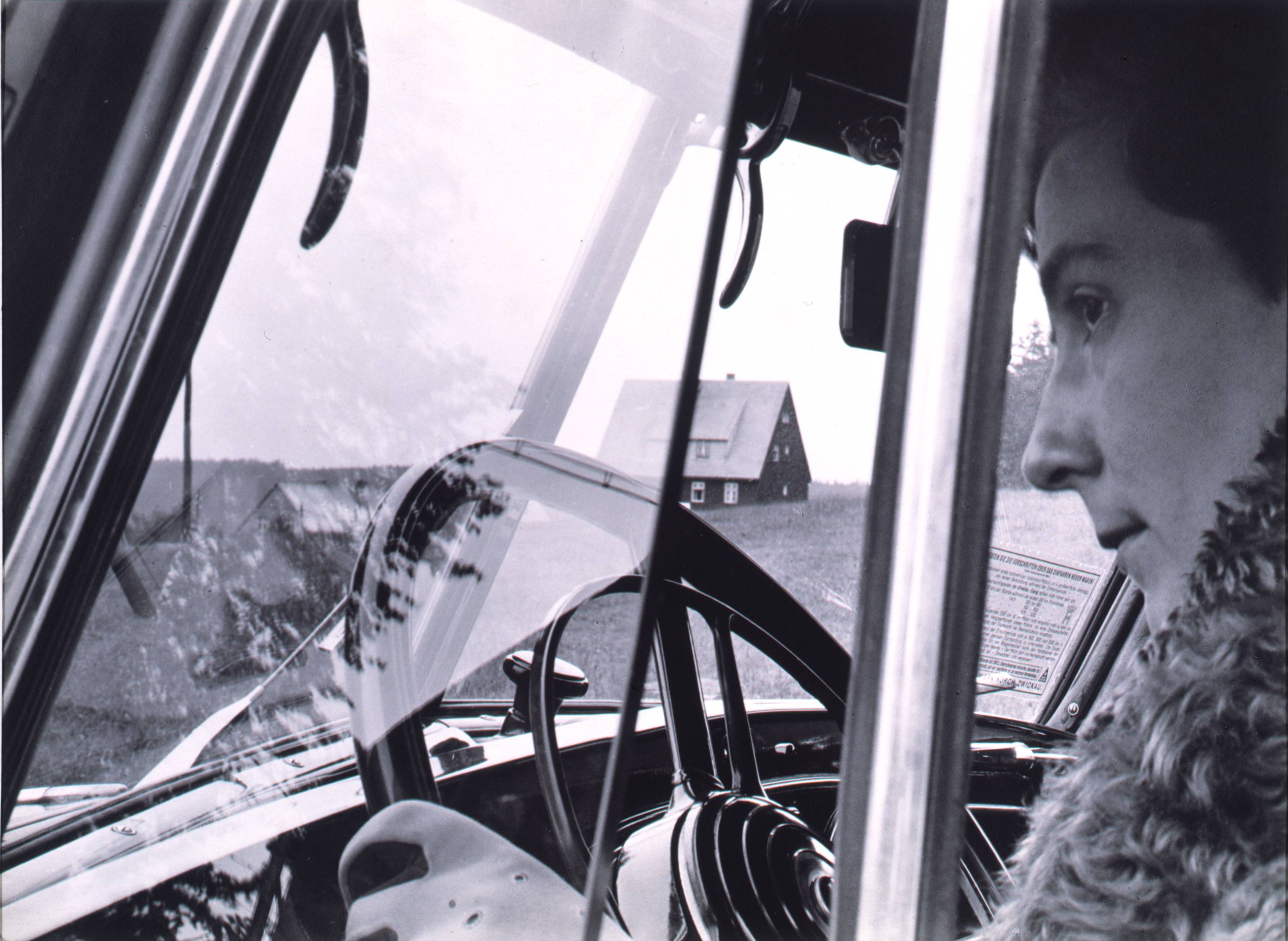
Trachtman’s parents both died when she was still very young: her father before she turned five, her mother when she was fifteen. “[F]or a long time,” she writes, “my rootlessness rooted me. I found comfort in in-between places.” Comfort, especially, in passing through, passing by. It’s not a fascination with cars and bridges and blurred street lights that accounts for their regular appearances in Trachtman’s work. It’s the optic vernacular of life lived on the move. A story full of crossings and no conclusions.


“Understanding this has helped me recognize that a bridge can be more than a bridge, a trestle more than a trestle, a blur more than a blur. They are also me, or an echo of me, a reflection, a ghost.” I said a moment ago that now is always a ghost of its own presence. But I like Trachtman’s description better because it doesn’t break the bond between the self and its living breadth, its reach toward other selves, other times.
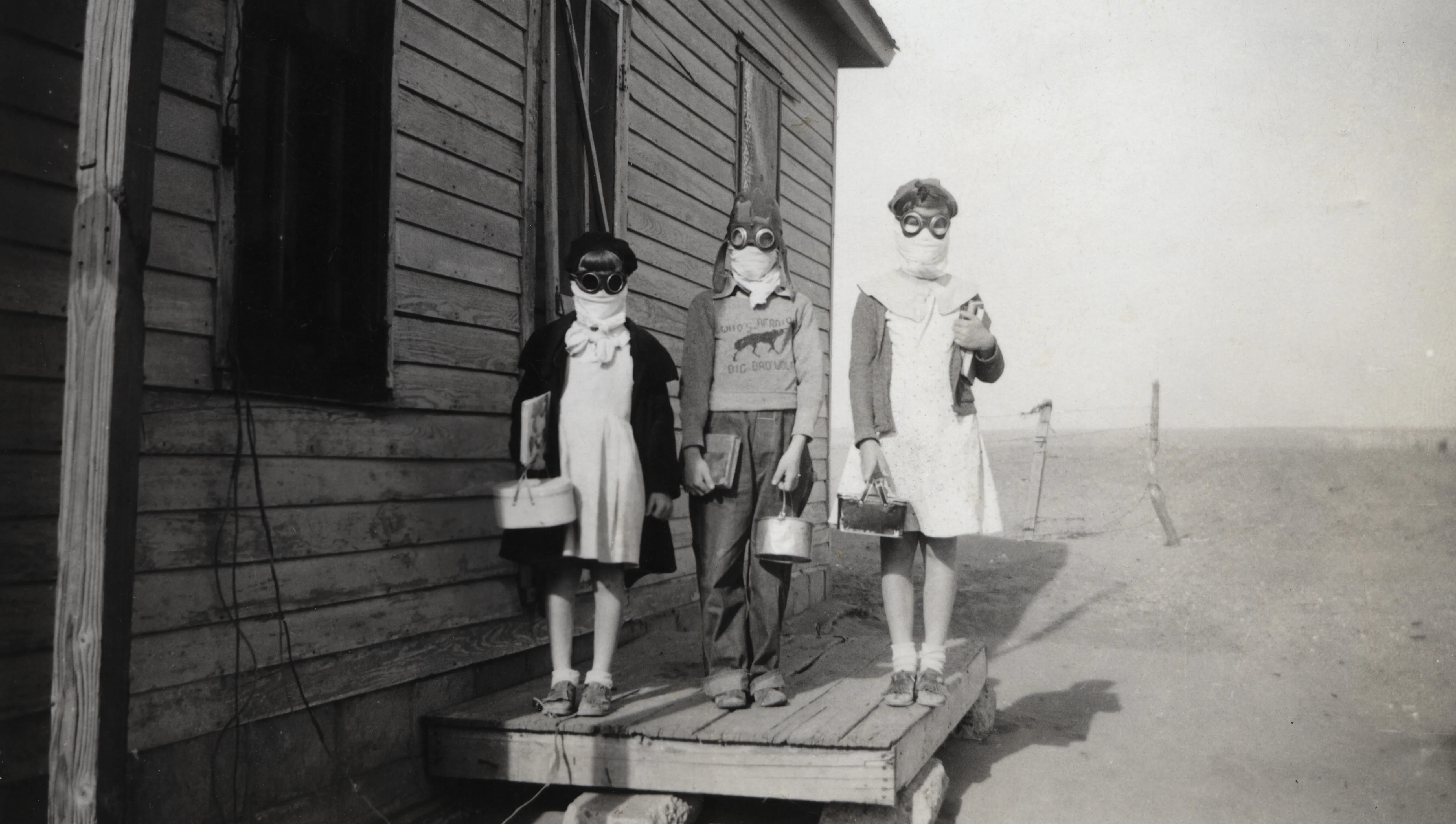
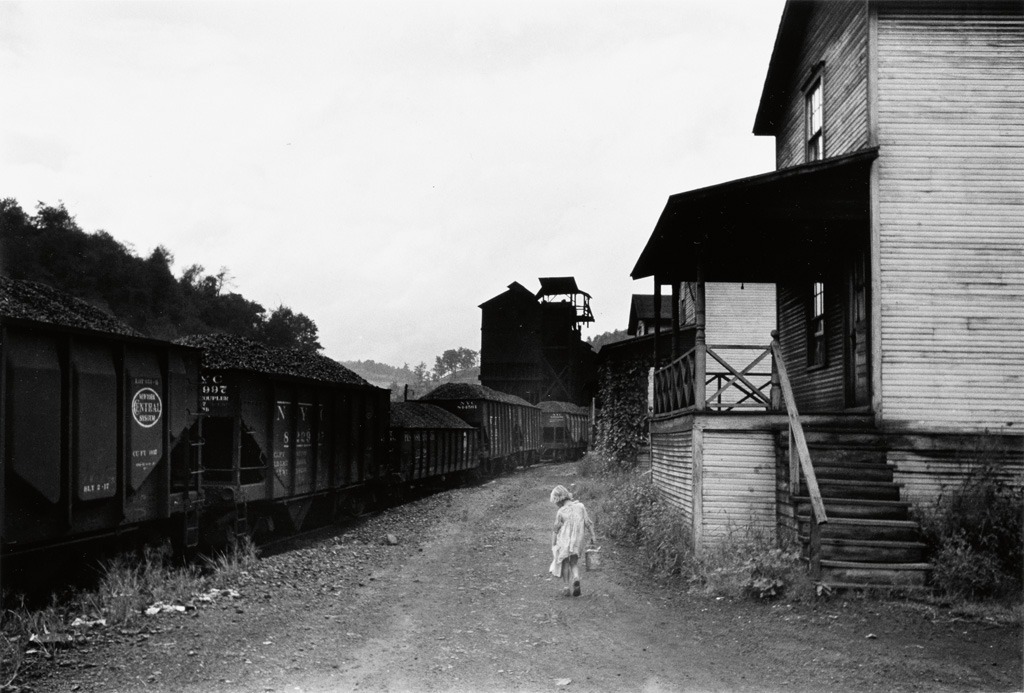
What demonstrates this best is the use Trachtman makes of her father’s negatives, an archive of his days in Philadelphia, at work as an investigative journalist. In many images, Trachtman incorporates the people from her father’s collection into her own coruscating roadways. Or else she lets the handwritten words from old letters narrate her father’s shadow, her mother’s portraits.

There’s another dimension to this narrative, of course. And that dimension belongs to the viewer. If the people in Trachtman’s book are strangers made doubly strange by the fact that her father didn’t know them (or maybe got to know some of them?) that strangeness is amplified to mythic proportions in my own hands.
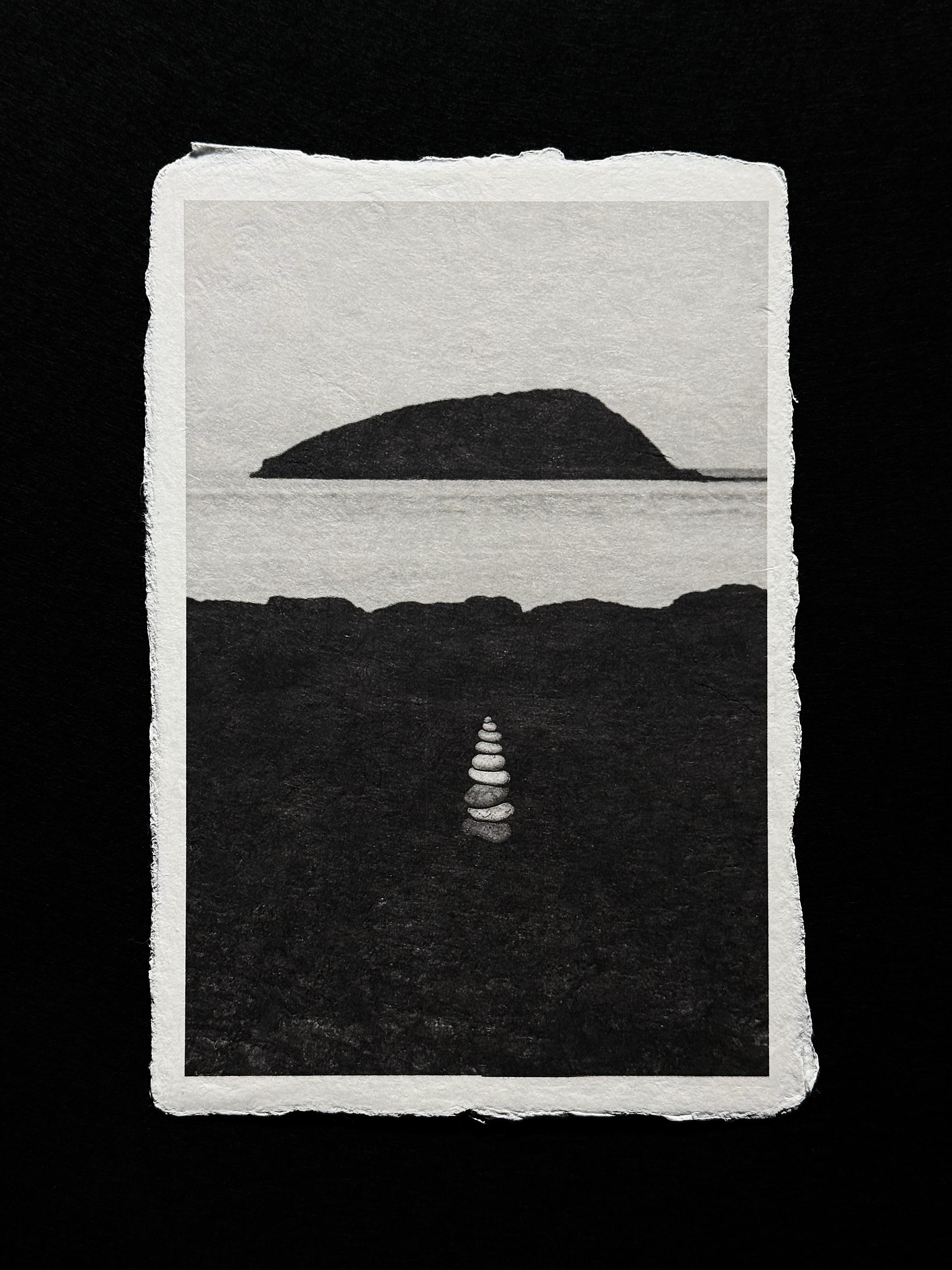
The affect is almost hallucinatory, which may have something to do with the book’s very fine gravure reproductions, the way they lift and recede simultaneously from the heavy paper. But also, like all myths, even the simplest elements do things they shouldn’t be able to do. Light seems capable, somehow, not just of shining but of flowing, crashing, floating, winding, breaking. And darkness assumes the role light has deserted. It glows.
Though pictorial in its whim and mists, the book puts me in mind as well of futurists like Anton Brigaglia whose memorable gloss on motion (“that which exerts a fascination over our senses, the vertiginous lyrical expression of life, the lively invoker of the magnificent dynamic feeling with which the universe incessantly vibrates”) is, in a way, made so much more legible by Trachtman. And that’s no small thing, since now is always complicated and fleeting. But in this case, Now Is Always a pleasure.