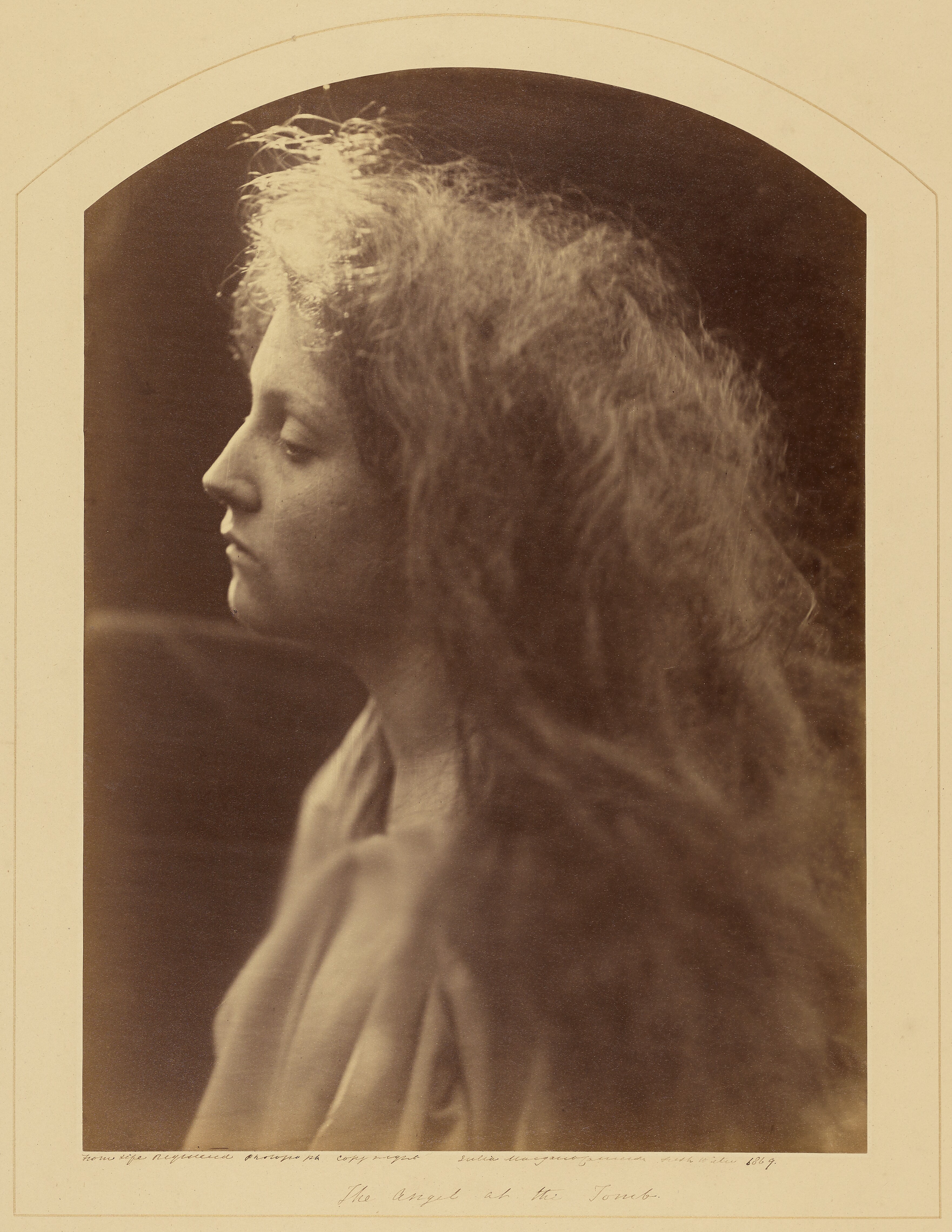
It’s not disdain, that look, that dispirited stare. But it’s close.
Have the devout arrived yet? Or are they already in her shadow, weeping just out of frame?
Or is she preoccupied, inwardly elsewhere and indifferent to the story she’s here to recite?
How many millions, millions upon millions, of visitations has she made? Miracles performed? Retributions wrought? What’s another sepulcher to her? What’s another demigod caved? Another grief-wrecked mother? Another ravishing, despondent whore?
No, she doesn’t want to play this role any longer.
She doesn’t believe in the script.
What she feels is what it means to feel, no matter which side of death one wanders.
What she knows is what’s to come for these frail and saddened faces.
Their future, after all, is her present: a forever of fatal theatrics and the need—call it what you will, natural, supernatural, it’s all the same to her—the need to really matter, not to oneself but to someone else.
Which is all just to say: she knows what it means to speak the words aloud (and for always), “He is not there.”