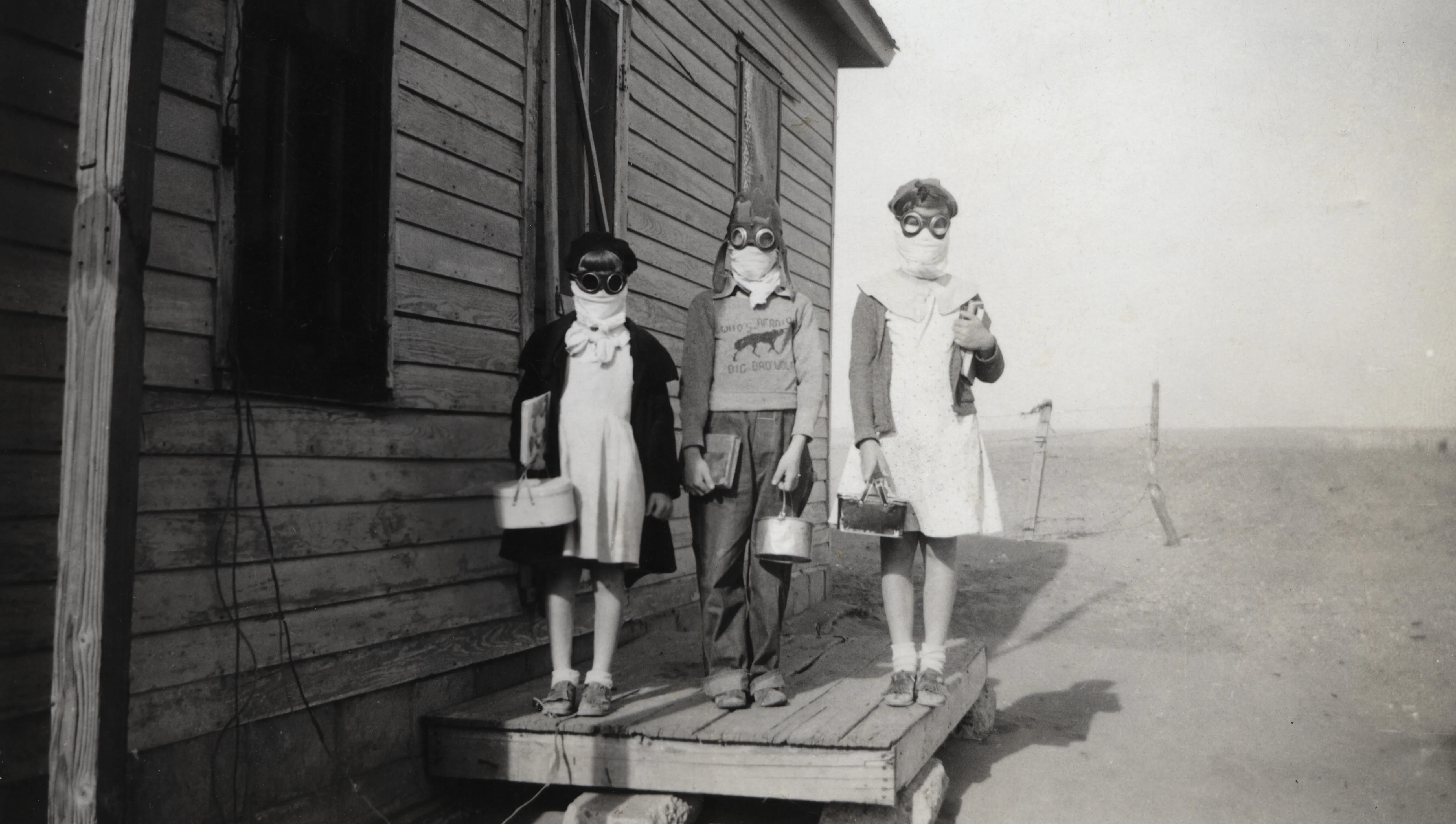
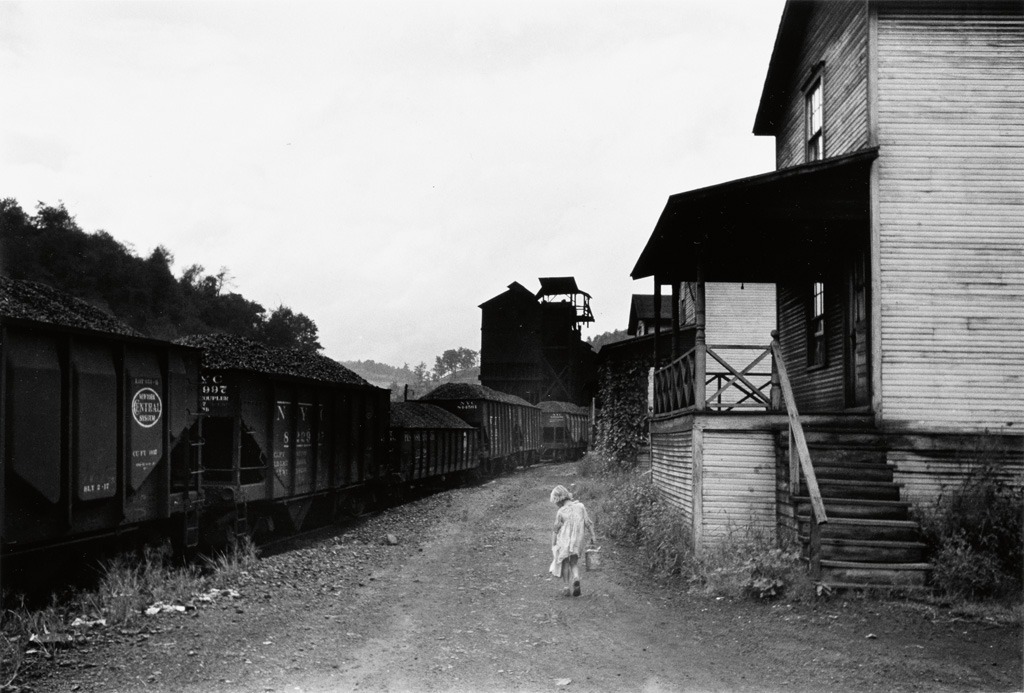
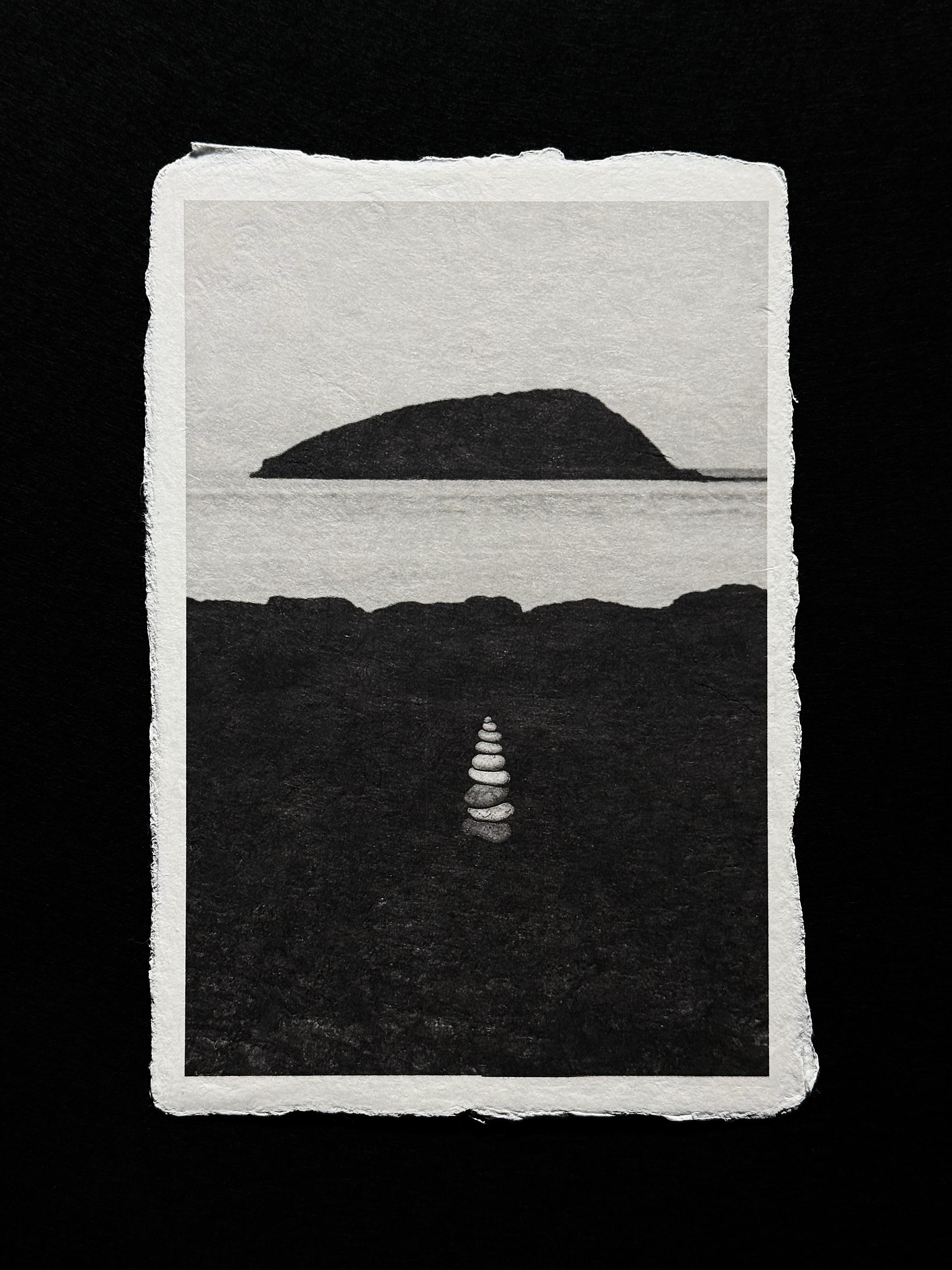
W.H. Auden’s poem “The Fall of Rome” opens with piers “pummelled by the waves” and rain that “lashes an abandoned train.” Which is another way of saying, though we’ve only just begun, we’re already at the end of things.
Here are the docks and harbors, immersed. Here are the steel conduits of growth and prosperity, eroded.
And what of civilization, its grand achievements, its evening gowns, its literati, its Catos and Caesars? Auden snuffs them out in seven alarmingly short stanzas, followed by an all-too-familiar situation: little birds “unendowed with wealth or pity,” “eye each flu-infected city.”
I only recently moved away from the city, after sixteen years of the daily car horn, the light-polluted nights, and the ambulance screaming at sunrise. I’m not sad about it.
The hard part though is reminding myself that—pastoral as things might seem now, with chickens and apple trees, and a fire sometimes to forget the day—the rain still lashes, the waves still pummel, the birds still refuse to flinch. Their branches are high and out of reach. Caesar may have a few years left, but the birds are patient. They can wait.
I go about my chores, repairing the barn, trellising the peas. I’m distracted by the purling of a brook and the news again of death rippling across continents.